
Asset protection
 One way or another the crisis in Greece is highly likely to come to a head in June.
Greek finances are in such sorry shape it needs a third bailout or it will be unable to meet payment obligations in August. And unless an agreement in June is reached to unleash more funds, Greece will not make it to August.
Today we learn, Interior minister warns Greece will default on June IMF repayment.
Greece has again threatened to default on loan repayments due to the International Monetary Fund, saying it will be unable to meet pension and wage bills in June and also reimburse €1.6bn owed to the IMF without a bailout deal with creditors.
“The money won’t be given … It isn’t there to be given,” Nikos Voutsis, the interior minister, told the Greek television station Mega.
He claimed the EU and IMF were pressuring Greece to make unacceptable concessions in the current bailout talks in return for unlocking €7.2bn of aid frozen since last year.
Predicting when Athens will run out of cash has proven a fraught affair for eurozone officials, who have been bracing for default since March.
Given the repeated warnings from Greek officials that bankruptcy is imminent, some officials have begun to disregard such threats, believing Athens is now using them as a negotiating tactic.
But a senior Greek official with knowledge of the government’s funding position confirmed that Athens would be unable to make the IMF payments, which fall due in four separate instalments of more than €300m each between June 5 and June 19, unless a deal is struck.
“We won’t accept blackmail that says it’s either liquidity with a memorandum [the Greek term for a bailout programme] or bankruptcy”, Mr Voutsis said.
The government has ruled out a domestic default on payment obligations to Greece’s 2.9m pensioners and 600,000 public sector workers, saying they have first claim on the country’s shrinking resources.
People who have spoken to Mr Tsipras say he is in a dour mood and willing to acknowledge the serious risk of an accident in coming weeks.
One official in contact with the prime minister said: “The negotiations are going badly. Germany is playing hard. Even Merkel isn’t as open to helping as before.”
Recall that Greece was only able to make the May IMF payment by borrowing money from the IMF.
That emergency credit line has been entirely used up. For details, please see Greece Empties IMF Reserve Account to Pay IMF; Liquidity “Terribly Urgent” Says Finance Minister.
Although we have seen crisis after crisis come and go with various kick-the can mechanisms, at some point there is no can left to kick. Is this finally the time?
‘Catastrophic’ Eurozone Rupture
The Telegraph reports Greece to Miss IMF payments Amid Fears of ‘Catastrophic’ Eurozone Rupture.
Finance minister [Yanis Varoufakis] said that the Syriza-led Greek government has now “made enormous strides at reaching a deal”, and that it is now up to the ECB, IMF and EU “to do their bit” and “meet us one-quarter of the way”.
One possible alternative if talks do not progress is that Greece would leave the common currency and return to the drachma. This would be “catastrophic”, Mr Varoufakis warned, and not just for Greece itself.
“Whatever some analysts are saying about firewalls, these firewalls won’t last long once you put and infuse into people’s minds, into investors’ minds, that the eurozone is not indivisible,” he added.
Mr Varoufakis’ and Mr Voutsis’ words followed a declaration from Alexis Tsipras, the Greek prime minister, that bargaining with Greece’s creditors would soon come to a close.
“Rest assured that in this negotiation we will not accept humiliating terms,” Mr Tsipras told Syriza’s central committee. “The overwhelming majority of Greek people want a solution and not just an agreement … it supports the government in this tough negotiation,” he added.
For Greece itself, using the common currency is now like using a “foreign currency”, and any exit from the eurozone would be “a disaster”, Mr Varoufakis said.
He continued: “Trying to get out of it is tantamount to announcing a devaluation 10 months in advanced.” Economists warn that if Greece were to leave the euro area, it could trigger huge levels of capital flight.
In turn, Greece would almost certainly have to resort to capital controls in order to stem the tide of money out of the domestic economy.
Ratings agency Moody’s has warned that there is now a “high likelihood” of such controls, which might be necessary to keep the Greek financial system alive. An estimated €30bn has been withdrawn from the country’s banks since snap elections were called in December 2014.
Mr Varoufakis said that at some point the Greek government would have to make a choice between paying salaries and paying international creditors.
Greek Choice Same As It’s Always Been
The choice Greece faces now is precisely the same choice four years ago: Whom to pay.
Greek citizens overwhelmingly want to stay on the euro, but they do not want further cuts in pensions accompanied by higher taxes and more layoffs.
So which is it? By fighting to retain pensions, Tsipras will at least have some cover if and when Greece returns to the Drachma.
Meanwhile, the smart money has already left. Those with euro deposits in Greek banks above and beyond what is needed to make immediate payments are fools.
I have been pounding the table for months warning Greek citizens to pull their money out. This may be the last chance.

 This week, as hard commodities came under early pressure, participants may have asked themselves: 1. Is the rally over in oil, copper and precious metals; 2. Was it just a dead cat bounce – or, 3. Has the tide truly turned and a new uptrend just begun?
The same could be said with trends in yields and the euro – and conversely, in the US dollar index which bounced sharply through Wednesday’s close.
Generally speaking, these assets have trended from….
….read more HERE

In the past several years, one of the topics covered in detail on these pages has been the surge in such gimmicks designed to disguise lack of demand and end customer sales, used extensively by US automotive manufacturers, better known as “channel stuffing”, of which General Motors is particularly guilty and whose inventory at dealer lots just hit a new record high. But did you know that when it comes to flat or declining sales and stagnant end demand, channel stuffing is merely the beginning?
Presenting…
Where the World’s Unsold Cars Go To Die (courtesy of Vincent Lewis’ Unsold Cars)
….read more HERE on ZeroHedge
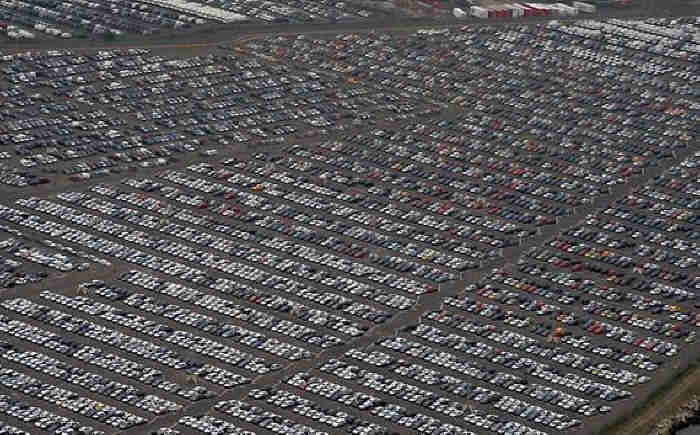
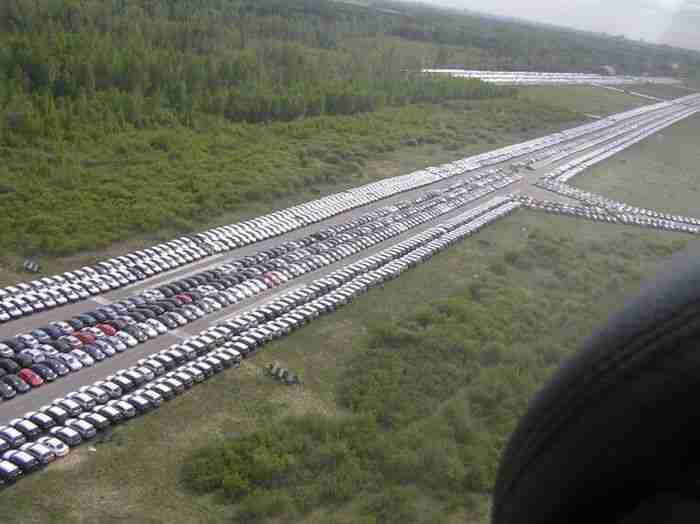

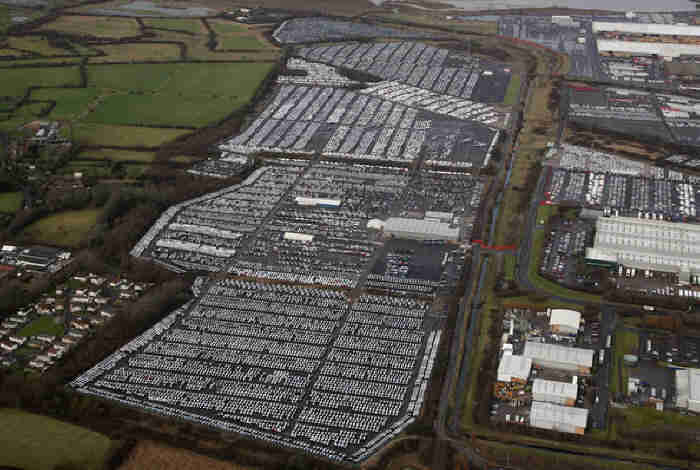
….read more HERE


 1. Armstrong Warns Of The Coming Crash Of All Crashes
3. Smart Money on the Move, Yet Again …
Putting it in alternative investments that can help protect your legacy, your children and grandchildren.
Keeping it out of the banks, where your money is sure to be tracked. Where it’s at risk of being “bailed in” should the bank go under, just like what happened to depositors in Cyprus’ banks in March 2013.

-
I know Mike is a very solid investor and respect his opinions very much. So if he says pay attention to this or that - I will.
~ Dale G.
-
I've started managing my own investments so view Michael's site as a one-stop shop from which to get information and perspectives.
~ Dave E.
-
Michael offers easy reading, honest, common sense information that anyone can use in a practical manner.
~ der_al.
-
A sane voice in a scrambled investment world.
~ Ed R.
Inside Edge Pro Contributors

Greg Weldon

Josef Schachter

Tyler Bollhorn

Ryan Irvine

Paul Beattie

Martin Straith

Patrick Ceresna

Mark Leibovit

James Thorne

Victor Adair