
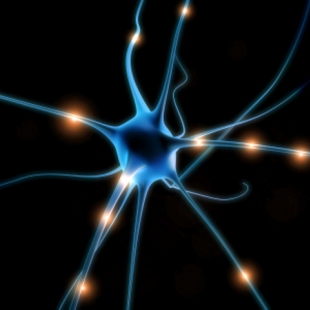
 Neuroplasticity
During the 20th century most neuroscientists thought of the brain as a static structure and impossible to alter, modify or change after early childhood. But fortunately for all of us still alive today, recent research has shown this belief to be erroneous.
The brain and its vast array of portable contents are as pliable as clay in the hands of a potter. Nature is the master potter, nurture is the environment into which it is thrust. Both play complex and elusive roles in brain development, outcome and function.
We now know that many functional aspects of the brain remain plastic even into adulthood. Changes in our external environment that alter our behavior and cognition can actually modify connections between existing neurons. This is great news for those of us formerly deceived by conventional education and outdated belief systems opposed to change.
Through a process known as neurogenesis new pathways and synapses in the hippocampus, olfactory bulb, cerebellum and other regions of the brain can be generated. Neuronal activation and cortical remapping evidence in response to experience and brain exercise is proof that the brain, like muscle itself in response to exercise, can and does change throughout our entire life.
– See more at: http://www.vancouverlifestyles.com/health-and-fitness/dr-cory-holly/science-living-well-0#sthash.aEGPyN2Q.dpuf